Crossings and Turning Points in the Same Annual Cycle
The difference between an equinox and a solstice is the difference between crossing a reference line and reaching an annual limit. At an equinox, the Sun’s apparent path crosses the celestial equator. At a solstice, its position reaches the farthest north or south of that equator for the year. Both events follow from Earth’s tilted axis and its movement around the Sun, but they describe different stages of the resulting daylight cycle. Equinoxes mark the astronomical starts of spring and autumn, while solstices mark summer and winter, with opposite seasons in opposite hemispheres. Comparing them from one observing location makes the distinction concrete. The same landscape can show a sunrise moving along the horizon, midday shadows changing length, and evening light expanding or contracting. You do not need four separate explanations for those observations; you need one annual pattern and a clear understanding of its crossings and extremes.
Begin With a Reference Circle in the Sky
The celestial equator is Earth’s equatorial plane extended into an imaginary surrounding sky. It gives astronomers a consistent way to describe whether the Sun appears north or south of Earth’s equator. The relevant angular measurement is declination. When solar declination passes through zero, an equinox occurs; when it reaches a yearly northern or southern extreme, a solstice occurs. Neither event requires a visible line or marker in the sky.
This distinction prevents a common misunderstanding about the planet itself. Earth does not straighten up for an equinox and then bend over again for a solstice. Its axis retains a broadly consistent orientation during one orbit. What changes is Earth’s position relative to the Sun, which changes how the hemispheres face the incoming light. The events describe that changing relationship rather than four sudden adjustments to the axis. A useful mental image is a journey between two boundaries with a midpoint crossed in both directions. The solstices are the boundaries of the Sun’s apparent north-south range; the equinoxes are the midpoint crossings, one northward and one southward. The image captures why there are two of each event within the familiar annual cycle.
| Feature | Equinox | Solstice |
|---|---|---|
| Solar declination | Crosses zero | Reaches a yearly north/south limit |
| Annual sequence | March and September | June and December |
| Midlatitude daylight | Near day–night balance | Longest or shortest annual interval |
| Horizon pattern | Passes approximately east/west positions | Seasonal drift slows and reverses |
| Earth’s axis | Remains tilted | Remains tilted |
Compare March, June, September, and December
The March equinox carries the Sun northward across the celestial equator. The June solstice marks the northern limit of its apparent seasonal movement. The September equinox is the southward crossing, and the December solstice is the southern limit. Naming the months makes the sequence usable internationally because “summer” and “winter” reverse between hemispheres. For exact dates and clock times in a particular year, use a calculated resource such as the U.S. Naval Observatory’s seasonal event service. A familiar calendar date is an approximation until its year and time zone are specified.
Watch What Happens to Daylight
At many ordinary midlatitude locations, daylight is near twelve hours around the equinoxes. Around the local summer solstice, the sunrise-to-sunset interval reaches its longest annual duration; around the local winter solstice, it reaches its shortest. These descriptions refer to daylight, not to an ordinary civil day becoming longer or shorter than the clock schedule suggests. Keeping the measured interval clear avoids a surprising amount of confusion.
The word “near” matters for equinoxes. Atmospheric refraction and the use of the Sun’s upper edge in sunrise and sunset definitions mean the daylight interval is not exactly twelve hours at the equinox instant. The local date when day and night come closest to equal can differ. A solstice, meanwhile, marks an extreme rather than a balance. The two event types therefore make different claims about the daylight pattern.
Use One Horizon to See the Difference
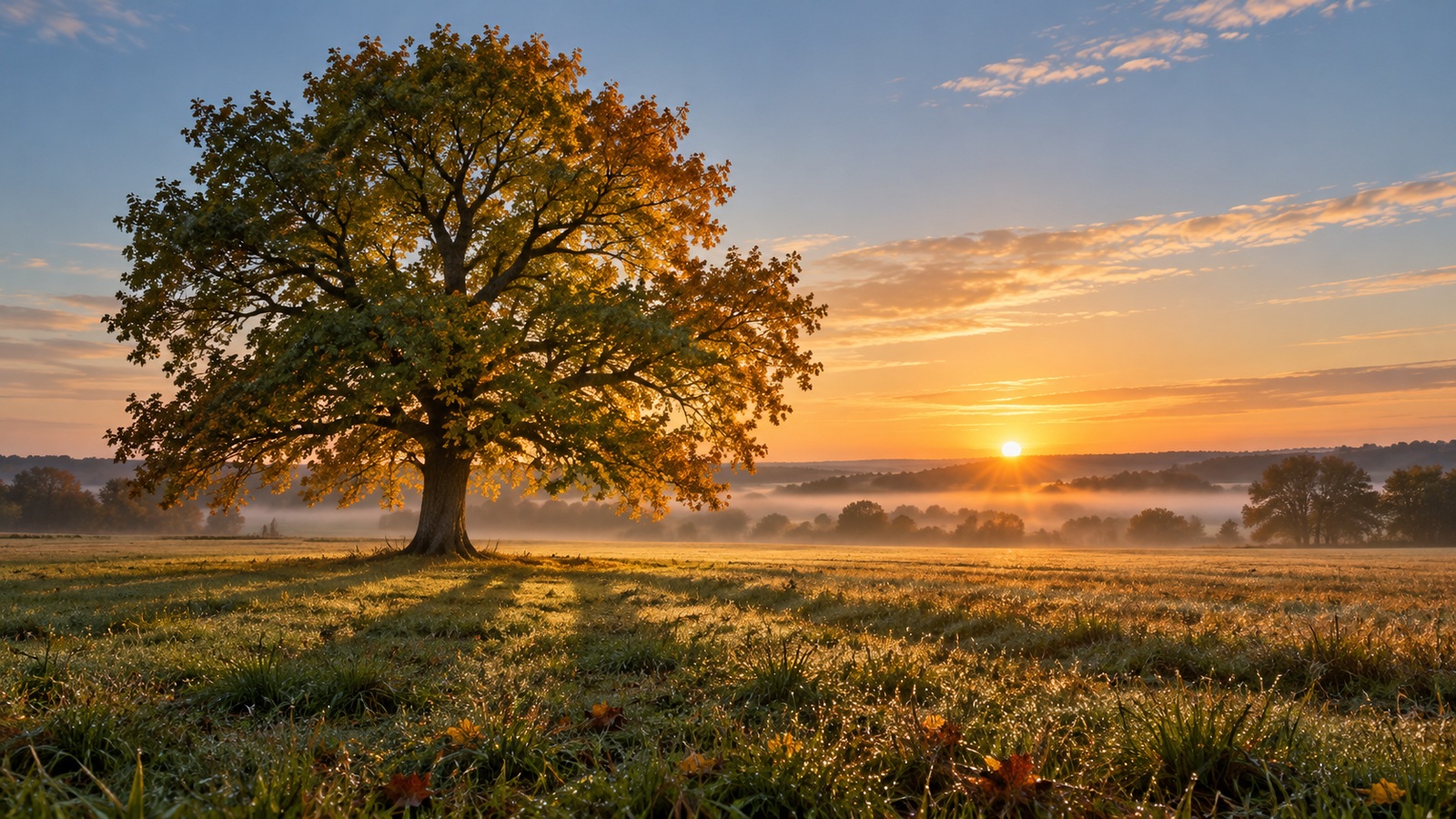
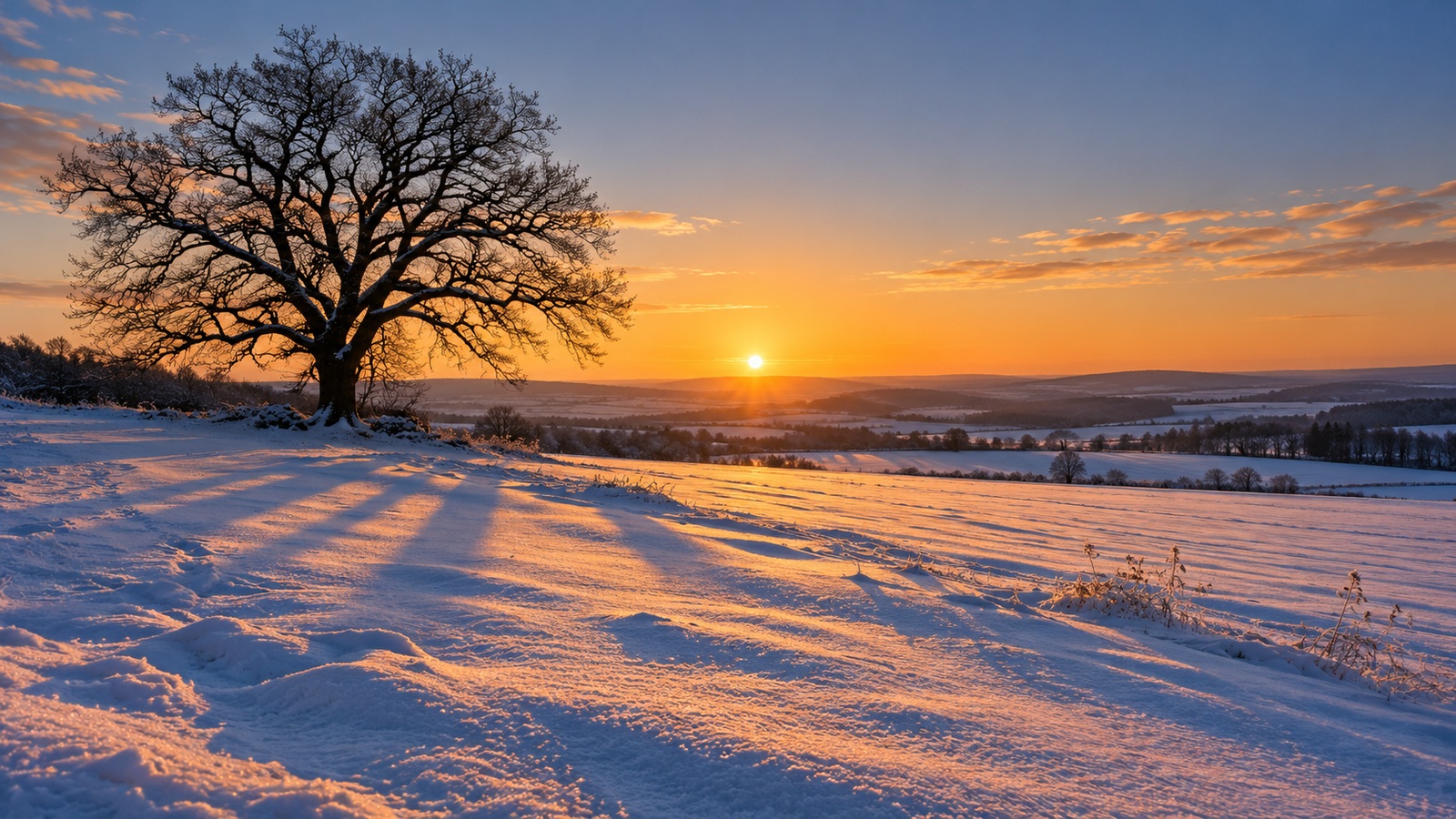
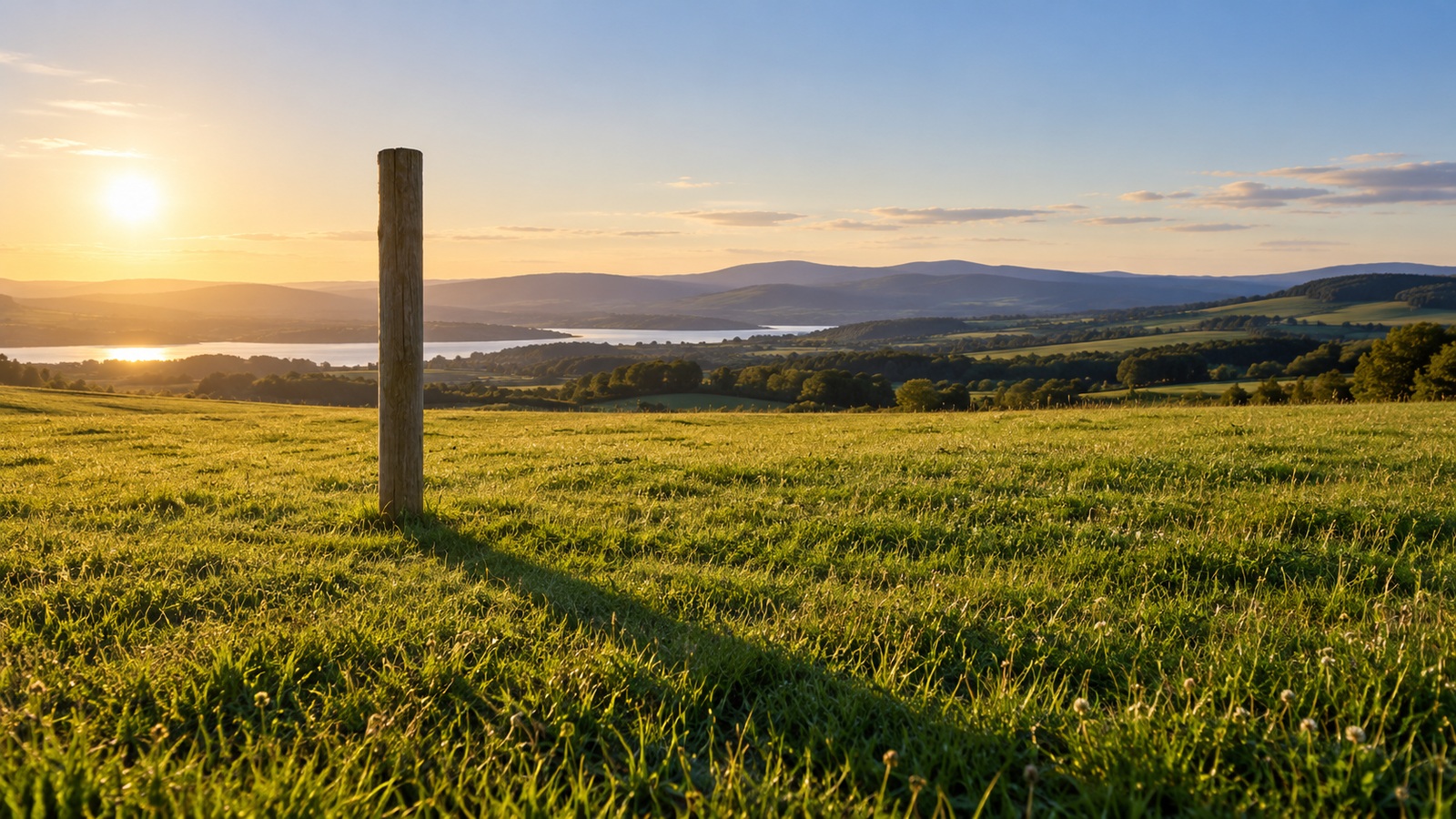
Imagine observing sunset from a fixed place beside a field. Across the year, the Sun’s setting position drifts along the horizon. Near a solstice, that seasonal drift slows and reverses; near an equinox, it passes through the region associated with a roughly westward setting direction. Your hills, buildings, and latitude affect the exact view, so treat the local landscape as an observing scene rather than a perfectly flat mathematical horizon.
Take several observations from the same position instead of searching for a dramatic change on one day. A single evening tells you where the Sun appeared then. A dated series shows the direction and pace of its seasonal movement. That series is what lets you distinguish an equinox-style passage from a solstice-style turning point without depending entirely on a calendar label.
There is no need to look directly at the Sun to study this pattern. Record the illuminated landscape, the timing, and recognizable horizon landmarks while avoiding direct solar viewing. If you want to use an optical instrument for any solar observation, obtain appropriate equipment-specific solar guidance first. A project based on landscape positions or ground shadows can answer the basic seasonal question without introducing that additional complexity.
Compare the Midday Shadows
A vertical object’s noon shadow supplies another connection between the two events. At northern midlatitudes, the June solstice generally brings the highest noon Sun and the shortest corresponding shadow, while December brings the lowest noon Sun and the longest. Equinox shadow lengths occupy an intermediate part of that local annual range. Use a stable object and an understood solar-noon reference for the comparison. Measuring different objects or using different times can mix seasonal effects with ordinary daily change, producing an attractive record that does not actually answer the intended question.
Why Latitude Changes the Whole Comparison
A comparison made in a northern city cannot simply be copied to the equator or a polar research station. Latitude changes the Sun’s path relative to the horizon, the annual range of daylight, and the shape of twilight. Near the equator, daylight duration changes less through the year than it does at higher latitudes. The seasonal position of the Sun can still change noticeably even when evening darkness seems comparatively consistent.
Near the poles, the solstice pattern can include uninterrupted daylight or a Sun that remains below the horizon through the rotation. The ordinary phrase “longest day” then needs geographic context. Equinox descriptions also become less intuitive because extended twilight and atmospheric effects complicate simple day-night language. The physical definitions remain useful precisely because they do not depend on every observer having the same visual experience.
Astronomical Seasons and Weather Seasons
Equinoxes and solstices provide boundaries for astronomical seasons. Meteorological seasons use fixed calendar-month groupings for a different practical purpose. These systems can coexist without one being a mistaken version of the other. When a weather article and an astronomy calendar give different seasonal start dates, identify the convention each is using before assuming that the dates conflict.
Neither system guarantees a particular day’s temperature. Heat storage, weather patterns, ocean influences, and geography shape the conditions people experience. The year’s hottest period can arrive after the summer solstice, and cold weather can continue after daylight begins increasing. A geometric turning point is a reliable guide to the direction of seasonal sunlight, but it is not a substitute for a local weather forecast.
The practical distinction matters when planning outdoor activities. Use astronomical information to understand available daylight and the Sun’s general seasonal position. Use current forecasts and local conditions to choose clothing, assess weather exposure, and judge whether an outing is sensible. Keeping those jobs separate makes the explanation more useful rather than less meaningful.
The Calendar Is Translating a Global Instant
Each crossing or turning point occurs at one instant worldwide, even though local clocks may assign different dates. A September equinox shortly after midnight in UTC can still fall on the previous date in parts of North America. This is not a disagreement about the Sun’s position. It is the expected consequence of translating one event into different civil time systems. If you need precision, keep the year, time zone, and any daylight-saving adjustment attached to the quoted time instead of copying a bare date from an unrelated calendar.
Build a Comparison That Answers One Question
Choose a single observable feature before beginning a seasonal project. If you want to understand sunrise positions, keep the observing location fixed and record the relevant horizon. If you want to understand daylight duration, use a consistent location-specific table. If you want to investigate noon altitude, focus on shadows and timing. Mixing all three into a complicated first attempt can make it harder to see what any individual observation means.
For a family or classroom activity, ask participants to predict which observations should show an extreme and which should show an intermediate value. Return to the prediction after examining the records. A wrong prediction can reveal a useful misunderstanding, such as assuming that an equinox removes Earth’s tilt. The activity becomes an explanation grounded in evidence rather than an exercise in remembering four vocabulary words.
Read a Northern and Southern Calendar Side by Side
Imagine two readers comparing June calendars, one in Denver and one in Sydney. The Denver reader sees “summer solstice,” while the Sydney reader sees “winter solstice.” They are describing the same northern declination extreme, with opposite local effects on daylight. Now give both readers a March calendar: “spring equinox” and “autumn equinox” again differ, but both refer to the northward crossing through zero declination. Writing the geometry in a separate column resolves the apparent conflict without choosing one country’s label as the correct worldwide season. Our individual equinox explanation follows the crossing, while the solstice explanation develops the extreme. Use the month and event type first when sharing a plan internationally, then translate its date and local seasonal meaning. A classroom comparison can use this same pair of cities before adding any measurements: identify the shared solar condition, the reversed hemisphere label, and the observation each person would expect to make. The two calendars then describe one event clearly, with the local season for each observer kept visible.
Use the Difference to Check a Calendar Claim
Try the distinction on a calendar entry before beginning an outdoor project. Underline the event name, circle the date and identify the measurement being described. A claim about the longest daylight interval belongs with a particular hemisphere and location; a claim about the latest sunset also needs the civil-clock convention. If the entry concerns an approximately eastward sunrise, inspect whether it means an unobstructed horizon or the first appearance above a local hill. These checks show which information is missing without requiring you to reject an otherwise useful calendar. Keep “crossing or turning point?” as the quick identification test, then ask what the accompanying claim actually measures.
Carry just one resolved question into your observation record. Write the place, chosen measurement, timing reference and the comparison you intend to make. Afterward, distinguish an unavailable observation from a result that contradicts your expectation: a clouded sunset supplies no new horizon position. If a result surprises you, check the setup and location assumptions before changing the explanation. A seasonal celebration can accompany the project, while the dated observations remain the evidence for its astronomical question.