Approximate Cycles Are a Starting Point, Not an Exact Schedule
How long a planet takes to return depends on what you mean by “return.” In astrology, a natal return usually means that a body reaches its natal zodiacal longitude again as calculated from Earth. That is not always the same interval as one orbit around the Sun. The distinction is especially important for Mercury and Venus, whose short heliocentric years are often copied incorrectly into simplified return lists. Slow outer planets have familiar approximate life-stage rhythms, while the Sun and Moon provide shorter recurring reference cycles. This guide separates those useful approximations from exact personal dates and explains when a calculator is necessary. The aim is a reference you can use without mistaking a rounded number for a guarantee. A return age can help you choose a period to investigate, but consistent chart settings and actual positional calculations determine whether the natal longitude has really been reached.
Decide Which Clock You Are Comparing
A heliocentric orbital period measures how long a planet takes to complete an orbit around the Sun. A natal zodiacal return compares a moving body’s apparent longitude from Earth with a stored natal longitude. A synodic cycle describes repetition of a configuration relative to the Sun as seen from Earth. These clocks are related through orbital motion, but they do not all answer the same question. A number can be astronomically accurate and still be the wrong number for the return technique you are trying to use.
Before reading a table, identify its heading and viewpoint. If the column says orbital period, do not quietly reinterpret it as the interval between every natal return. If it gives an approximate astrological age, do not assume it specifies a unique contact date. This basic reading habit matters most when a familiar number appears often enough online that its original definition has been lost.
| Body | Useful orientation | Do not confuse it with |
|---|---|---|
| Sun | Approximately one year | Identical birthday clock time |
| Moon | About 27.3 days for longitude repetition | The roughly 29.5-day phase cycle |
| Mercury | Calculate the natal target; annual search can reveal contacts | An automatic 88-day natal-return schedule |
| Venus | Approximately annual search orientation, with substantial variability | An automatic 225-day schedule |
| Mars | Roughly two years | A perfectly repeating personal interval |
| Jupiter | About twelve years | A contact on every twelfth birthday |
| Saturn | About twenty-nine to thirty years | One universal late-twenties event date |
| Uranus | About eighty-four years | A middle-life opposition |
| Neptune | About 165 years | An ordinary individual-lifespan return |
| Pluto | About 248 years | Equal-speed fractions of an eccentric orbit |
The Sun Returns on an Approximately Annual Rhythm
A solar return seeks the Sun’s arrival at its natal longitude. In the tropical framework, the familiar interval is roughly a year, associated with the birthday season. The exact instant is not defined by repeating the same civil calendar date and clock time. Calendar rules and the solar cycle do not line up so simply, so the result can occur at a different hour or on a neighboring local date.
This is why a proper solar-return calculation uses the natal longitude rather than guessing from the birthday. The resulting chart can then be drawn for the exact moment under a stated location convention. The annual approximation is useful for finding the right part of the calendar, but it should remain an approximation until the contact is calculated.
The Sun is called a luminary rather than a planet in many astrological discussions, but it is commonly included in lists of returns. Naming that convention prevents a vocabulary issue from obscuring the timing question. The calculation is still a comparison of zodiacal position under a selected framework, and its proposed personal meaning remains a separate interpretive matter.
The Moon’s Longitude Cycle Is About 27.3 Days
A lunar return follows the Moon back to its natal longitude, roughly every 27.3 days in a stellar reference sense, with exact results depending on the framework and moment. This should not be confused with the roughly 29.5-day cycle from one lunar phase to the same phase again. A return to natal longitude and a return to the same Sun-Moon illumination relationship are different configurations. Confusing them can shift an intended chart by days. Because the Moon moves quickly, accurate natal timing and careful time conversion are particularly important when seeking a precise lunar return.
Mercury’s Eighty-Eight-Day Orbit Is Not a Simple Return Calendar
Mercury takes about eighty-eight Earth days to orbit the Sun, but an Earth-based natal Mercury return is not obtained by adding eighty-eight days repeatedly to a birth date. From Earth, Mercury remains near the Sun in the sky and participates in apparent retrograde loops. Its longitude-return pattern depends on the natal target and the changing Earth-Mercury-Sun geometry.
For a personal Mercury-return search, begin with the actual natal longitude and inspect the calculated contacts across the relevant period. A broad annual search may locate the expected passage while also revealing repeated contacts. Avoid presenting one tidy interval as if it replaces that calculation. The most useful entry in a timing reference may be an explicit warning that the commonly quoted orbital year is answering a different question.
Venus Needs the Same Earth-Viewpoint Caution
Venus orbits the Sun in roughly 225 Earth days, but that is not a universal schedule for natal Venus returns. Like Mercury, it is an inner planet viewed from another moving planet, so apparent longitude behavior reflects relative geometry. Retrograde motion can create a more complicated sequence around a particular natal degree.
Astrological descriptions often discuss Venus returns around an approximately annual passage, with variability and possible repeated contacts. Use that only to orient a search. The exact interval between contacts can differ, especially when a retrograde loop crosses the target. A source explaining Venus’s symbolic themes cannot substitute for a positional calculation when your question is the precise timing.
The distinction is worth keeping even if you only want a casual overview. Saying “the orbit is about 225 days” is a physical orbital statement. Saying “this is my next natal Venus return” is a chart-specific conclusion that requires the natal longitude and a calculation. Their connection through orbital motion does not make them interchangeable claims.
Mars Returns on a Roughly Two-Year Scale
Mars takes about 1.88 Earth years to orbit the Sun, and its natal longitude returns are commonly discussed on an approximately two-year scale. Exact Earth-viewed contacts still vary with relative motion and retrograde behavior. A personal return can therefore involve dates that do not follow a perfectly repeating interval. Use the rough scale to understand the frequency of the technique, then calculate the intended return rather than copying one previous interval indefinitely. This is particularly useful if a chart service shows several contacts where a simple rounded cycle led you to expect only one.
Jupiter and Saturn Supply Longer Familiar Rhythms
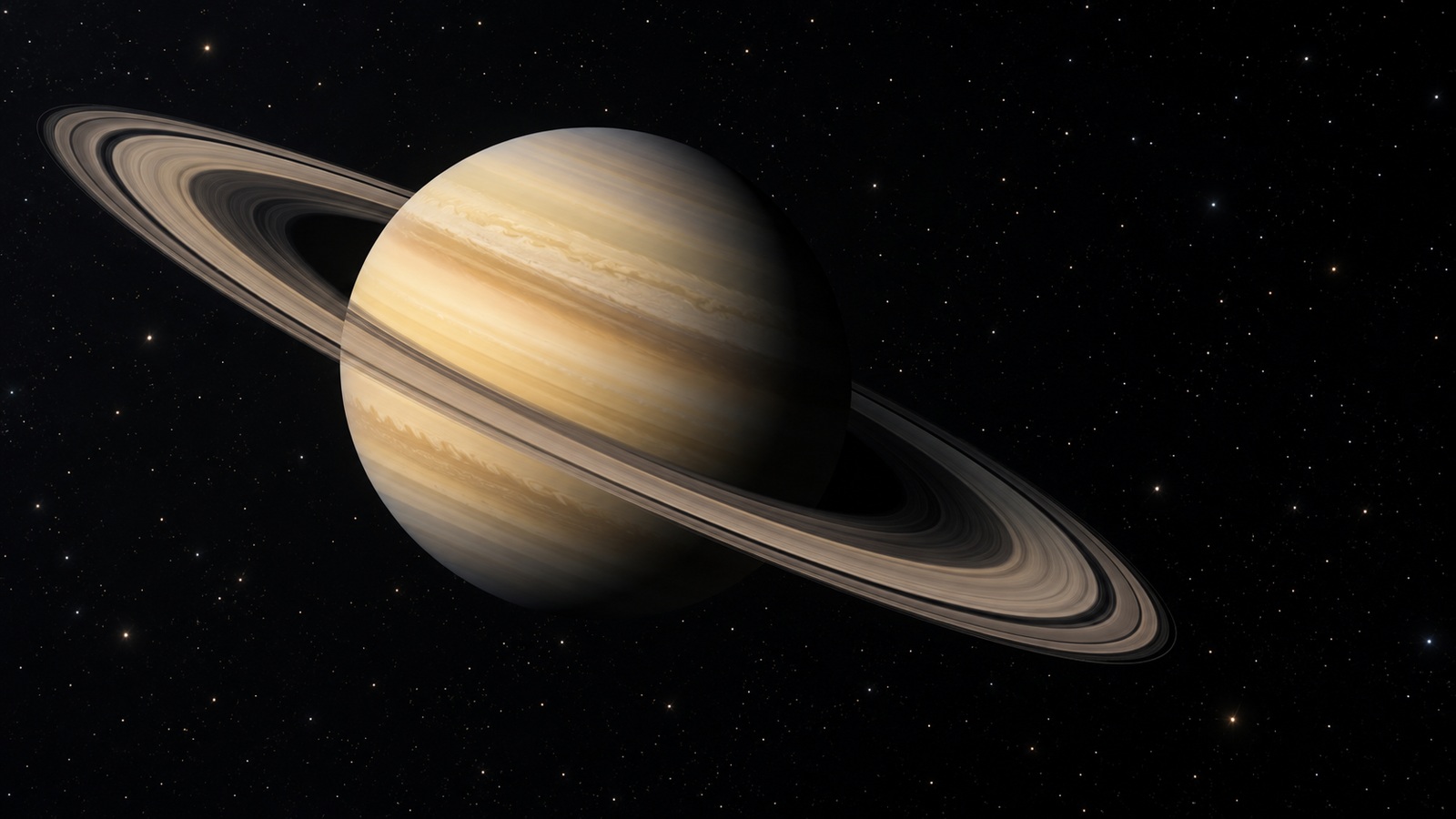
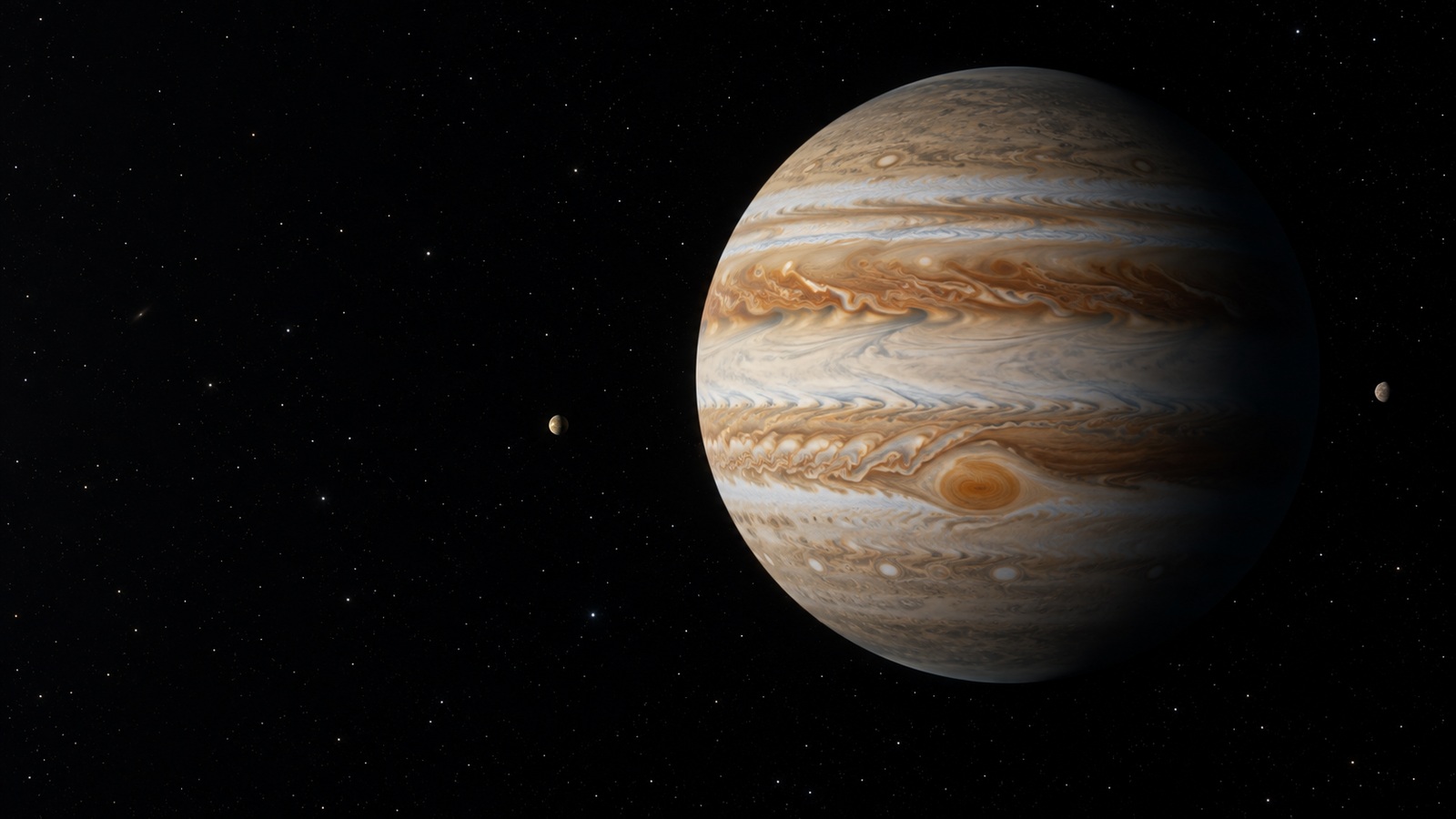
Jupiter’s orbital period is close to 11.9 Earth years, giving the familiar approximate twelve-year return rhythm in astrological summaries. Saturn’s is about 29.4 years, behind the widely discussed return near the end of the twenties. These are useful scales for orientation, but exact natal returns depend on the target degree and the transiting longitude. They should not be treated as universal birthdays on which a prescribed experience must happen.
Repeated passes can spread a return sequence across a broader interval. A practitioner may discuss the whole sequence as a return period, while a chart calculator identifies each exact contact. Both can appear in an explanation, provided they are labeled clearly. The person’s actual circumstances remain necessary for any reflective conversation; the approximate cycle does not establish that everyone reaches the same milestone on the same timetable.
Uranus, Neptune, and Pluto Extend Beyond Ordinary Planning Horizons
Uranus has an orbital period of about eighty-four years, so its first natal return is usually discussed in the context of a long life. Neptune’s roughly 165-year orbit and Pluto’s roughly 248-year orbit extend beyond an ordinary human lifespan. These numbers help explain why a personal chart discussion may emphasize fractions of a cycle or other transits instead of a completed natal return.
Do not label every significant contact as a return merely because it involves a slow planet. A square, opposition, or contact to a different natal body has another geometric definition. It may be important within a particular astrological practice, but changing the word does not change the configuration. Precise language helps prevent a timing reference from becoming a collection of loosely related life-stage claims.
Pluto also has a notably eccentric orbit, making casual fractions of its average orbital period an especially poor substitute for actual positional calculations. More generally, none of these long periods gives a simple guarantee about an individual’s experiences. The calculation supplies a celestial configuration; the meanings assigned to it remain matters of astrological interpretation.
Recognize the Timing Mistake Before Adding More Arithmetic
The NASA planetary comparison resource lists orbital periods as astronomical reference values. An astrological source such as the Astrodienst return-chart overview describes how practitioners use natal return charts. Read each for the kind of information it actually provides. One explains physical periods, while the other describes an interpretive technique that depends on selected chart conventions.
Consider a beginner who reads that Mercury’s year is eighty-eight days and marks a sequence of dates by adding that number to a birthday. The arithmetic can be flawless while the method remains inappropriate for the intended natal return. The mistake occurs before interpretation: an orbital period has been substituted for an Earth-viewed longitude condition. Correcting the problem requires returning to the natal target and searching actual positions, not adding more symbolic meanings to the resulting dates. This example is useful because it shows how a confident-looking schedule can be built from a true astronomical fact used in the wrong context.
Find an Exact Date Without Hiding the Assumptions
Begin the search with a target and a sufficiently broad interval, not just the rounded anniversary day. For example, a lunar search confined to the twenty-ninth day may miss the expected longitude repetition because that number comes closer to the phase cycle. For a slow planet, inspect the contact list rather than assuming the first displayed date is the only crossing. Save the search output so you can see what interval and passes were actually considered.
Start with a natal chart whose inputs and zodiac framework are recorded. Select the body, specify a search period broad enough to include the likely contact, and ask the software to locate all relevant matches. Save the resulting times with their time reference. If you generate charts for those moments, record the location and house convention too. This makes later comparisons understandable instead of relying on a screenshot whose settings have been forgotten.
If another tool disagrees, compare the definitions before assuming an arithmetic error. Different zodiac references, input times, search choices, or selected passes can explain different results. Our planetary-return mechanics guide demonstrates the matching longitude, and the beginner reading example shows the separate interpretation step. This timing reference supplies the rough search scales; the calculation supplies personal contact dates. Keeping those jobs distinct prevents an approximate interval from becoming a forecast it cannot support.